The Origins
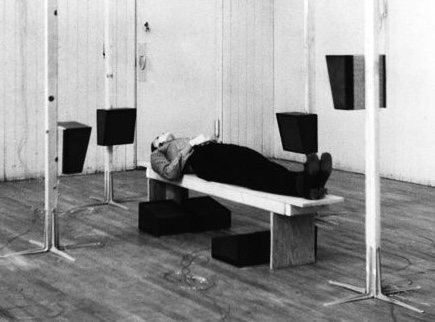
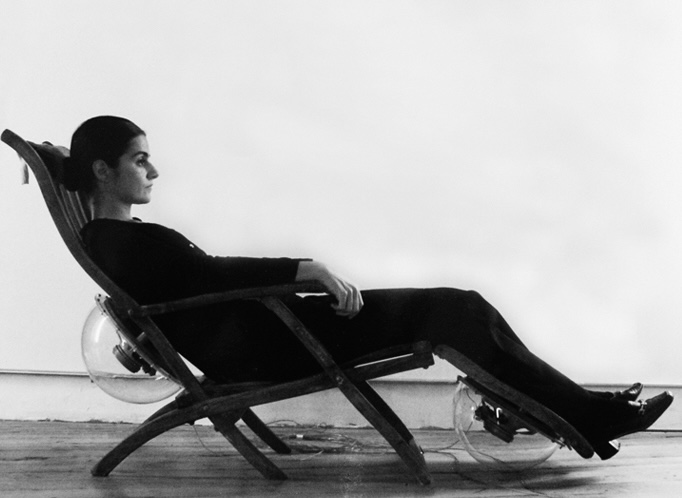
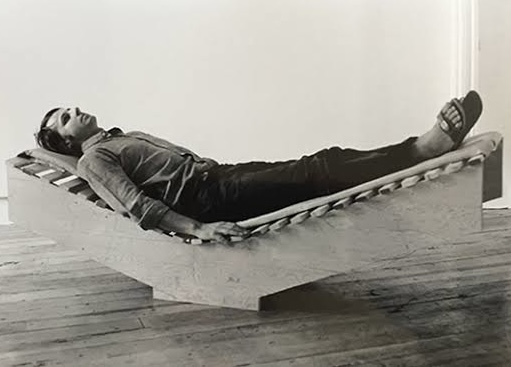
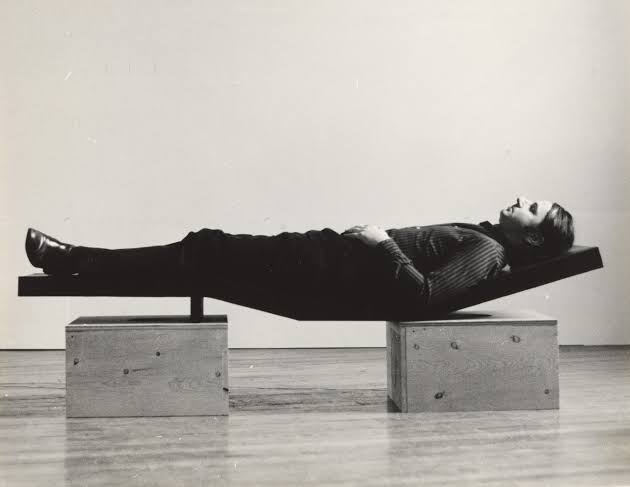
Vibroacoustic therapy emerged in the 1970s through the pioneering studies of the Norwegian professor Olav Skille, widely recognized as one of the founders of contemporary vibroacoustic therapy. Through years of clinical research and experimentation, Skille discovered that specific low-frequency sound vibrations could positively influence muscular relaxation, pain perception, the nervous system, and emotional well-being.
In the following decades, vibroacoustic therapy expanded into therapeutic, rehabilitative, and holistic fields, finding applications in clinical centers, music therapy, neurology, stress management, and integrative wellness practices. Various scientific studies and clinical observations have highlighted its benefits in supporting nervous system regulation, reducing physical and emotional tension, enhancing deep relaxation, and assisting treatments related to anxiety, insomnia, chronic pain, and neurological conditions. Today, vibroacoustic therapy is recognized as a complementary practice used within numerous integrative therapeutic approaches.